_edited.png)
Unlocking Energy Efficiency: The Unsung Hero of Sustainable Manufacturing

Energy use in large manufacturing facilities is often massive, making these sites some of the biggest contributors to carbon emissions. You face the challenge of reducing Scope 1 and Scope 2 emissions while maintaining productivity and controlling costs. Among all strategies, energy efficiency stands out as the most effective and accessible approach to sustainability. It offers significant emission reductions, often without heavy investments, and delivers strong monetary savings with high returns on investment (RoI).
This post will guide you through why energy efficiency is the key to decarbonization in manufacturing, how you can start with simple steps, and how to sustain savings over time.
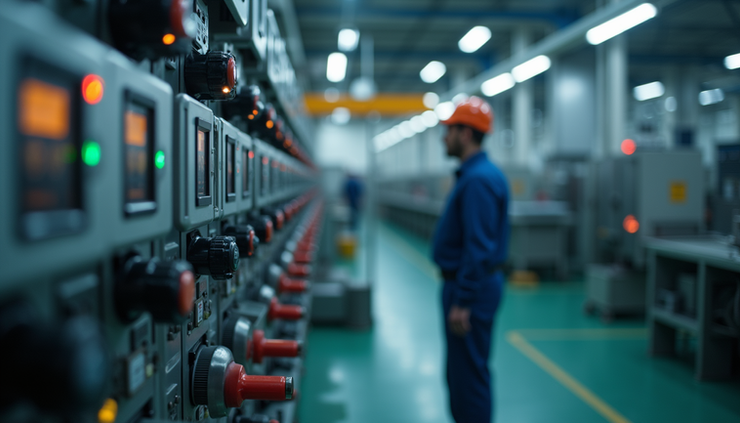
Energy monitoring equipment installed on manufacturing machinery helps track energy efficiency improvements.
Why Energy Efficiency Leads the Race in Sustainability
Manufacturing facilities consume vast amounts of energy, often relying on fossil fuels and electricity generated from carbon-intensive sources. This results in high Scope 1 (direct emissions from owned sources) and Scope 2 (indirect emissions from purchased electricity) emissions. While low carbon technologies and renewable energy are essential for decarbonization, they often require significant capital and time to implement.
Energy efficiency offers a faster, cost-effective path to reduce emissions by using less energy to perform the same tasks. You can often achieve this by:
Fixing leaks and inefficiencies in existing equipment
Upgrading to more efficient motors, lighting, and HVAC systems
Improving process controls and automation
Implementing behavioral changes through staff training
These measures reduce energy consumption immediately, lowering emissions and costs without waiting for new technology rollouts.
Starting with Low-Hanging Fruits
You don’t need to overhaul your entire facility to see benefits. Begin with energy audits to identify quick wins that require minimal or no investment. Examples include:
Adjusting compressed air pressure to optimal levels
Repairing steam leaks
Switching off idle equipment
Optimizing lighting schedules
These actions can cut energy use by 5-15% right away. Many companies report payback periods of less than a year for these improvements.
Moving Toward Investment-Based Opportunities
Once you have addressed easy fixes, consider investing in upgrades that offer higher returns over time. These may include:
Installing variable frequency drives (VFDs) on motors
Replacing old boilers with high-efficiency models
Upgrading to LED lighting throughout the plant
Implementing advanced energy management systems
Though these require upfront capital, the long-term savings and emission reductions justify the investment. You can also explore financing options or government incentives designed to support energy efficiency projects.
Sustaining Energy Efficiency Gains
Maintaining savings is as important as achieving them. Without proper follow-up, energy use can creep back up. To sustain improvements:
Adopt ISO 50001 EnMS (Energy Management System) standards to embed energy efficiency into your operations
Conduct regular energy audits to track progress and identify new opportunities
Provide ongoing trainings for staff to build awareness and skills
Use real-time energy monitoring to detect anomalies quickly
Embedding energy efficiency into your company culture ensures continuous improvement and long-term impact.

Technician conducting an energy audit to identify energy-saving opportunities in a manufacturing plant.
The Financial Case for Energy Efficiency
Energy efficiency is not just good for the environment; it is a smart financial decision. Many energy-saving projects have payback periods of less than two years and deliver ongoing cost reductions. This improves your bottom line and frees up capital for other sustainability initiatives, such as adopting low carbon technologies.
By reducing energy consumption, you also reduce exposure to volatile energy prices and potential carbon taxes. This creates a more resilient and competitive manufacturing operation.
Integrating Energy Efficiency with Decarbonization Strategies
Energy efficiency should be the foundation of your broader decarbonization plan. It reduces the energy load, making it easier and cheaper to switch to renewable energy sources or implement carbon capture technologies. Without improving efficiency first, you risk overspending on new technologies that address a larger-than-necessary energy demand.
Practical Steps to Get Started Today
Conduct a baseline energy audit to understand current consumption and identify quick wins
Train your maintenance and operations teams on energy-saving practices
Set clear energy reduction targets aligned with your sustainability goals
Implement ISO 50001 EnMS to formalize energy management
Plan for phased investments in equipment upgrades and automation
By following these steps, you can unlock the full potential of energy efficiency in your manufacturing facility.
Energy efficiency is the unsung hero in the race toward sustainable manufacturing. It offers immediate, measurable reductions in emissions and costs, often without large investments. By starting with simple improvements and building toward more advanced solutions, you can create a sustainable operation that supports your environmental goals and strengthens your financial position.


Comments